
SimCity Through the Ages How the Franchise Changed the Gaming Landscape
Since its launch in 1989, SimCity has become a cornerstone of simulation gaming, captivating players with its unique blend of creativity, strategy, and management. Developed by Maxis and created by the visionary Will Wright, the game sparked a new genre that encouraged players to think critically about urban planning and management. Over the years, SimCity has not only grown in complexity but has also expanded into various forms of media, influencing countless other games and creating an entire subculture around it. As we explore the franchise's evolution, we’ll also touch upon the impact of SimCity Merchandise that has emerged from its popularity.
The Birth of a Legend
When SimCity was first introduced, it broke the traditional mold of video game design. Players were not just participants; they were architects, urban planners, and mayors, tasked with balancing budgets, zoning lands, and addressing the needs of virtual citizens. The game’s simple yet addictive mechanics made it accessible yet challenging, laying the foundation for a new genre that emphasized player choice and creativity. The iconic isometric graphics and the ability to see the city evolve in real-time further captivated audiences. As players built their cities, they also engaged in critical thinking, projecting how their decisions impacted the game world.
The Evolution of SimCity
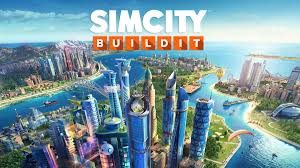
With each iteration, the franchise has continued to redefine simulation games. From SimCity 2000’s introduction of underground development to SimCity 4’s complex simulation of traffic and disasters, each version added layers of depth and realism that appealed to dedicated fans. The release of SimCity (2013) attempted to modernize the series with a focus on online play and shared experiences, sparking discussion about the balance between innovation and nostalgia. Additionally, spin-offs such as SimCity BuildIt for mobile devices brought classic gameplay to a new audience, ensuring that not only veteran players but newcomers could experience the joys of city-building.
SimCity Merchandise: A Fandom Grows
The immense popularity of the franchise led to a wealth of SimCity merchandise, encompassing everything from collectible figurines to clothing. Fans of the series often express their love for the game through themed items that showcase their favorite aspects of city management. Merchandise such as city-building kits and board games allows enthusiasts to engage with the SimCity experience in both digital and physical realms. Moreover, fan-created items on platforms like Etsy, from custom art prints to handmade clothing, reflect a vibrant community that celebrates the game's rich history and impact. This merchandise not only serves as a testament to the franchise's legacy but also enhances the experience for fans outside of gaming.
A Continuing Legacy
The influence of SimCity extends far beyond its own franchise. Games such as Cities: Skylines and even mobile city-building titles draw inspiration from SimCity’s foundation. As players have become more accustomed to simulation games, the demand for innovative mechanics and more accessible gameplay continues to grow. Additionally, the lessons learned in urban planning within SimCity have made their way into educational settings, where teachers use the game as a tool to teach students about economics, geography, and social issues. The ongoing legacy of SimCity is a testament to its place in gaming history, as it has consistently inspired new generations of players and developers alike.


